Who's behind this
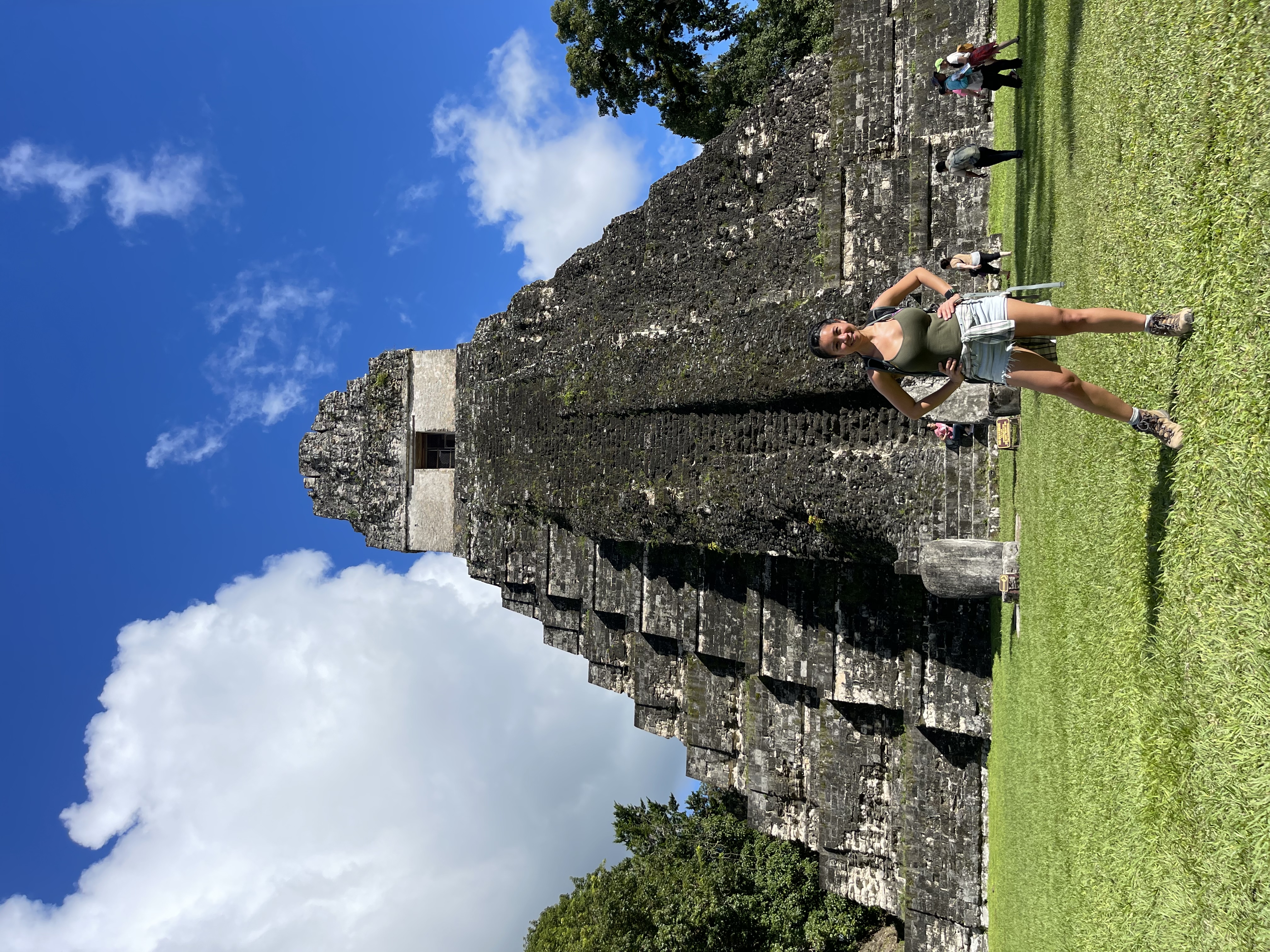
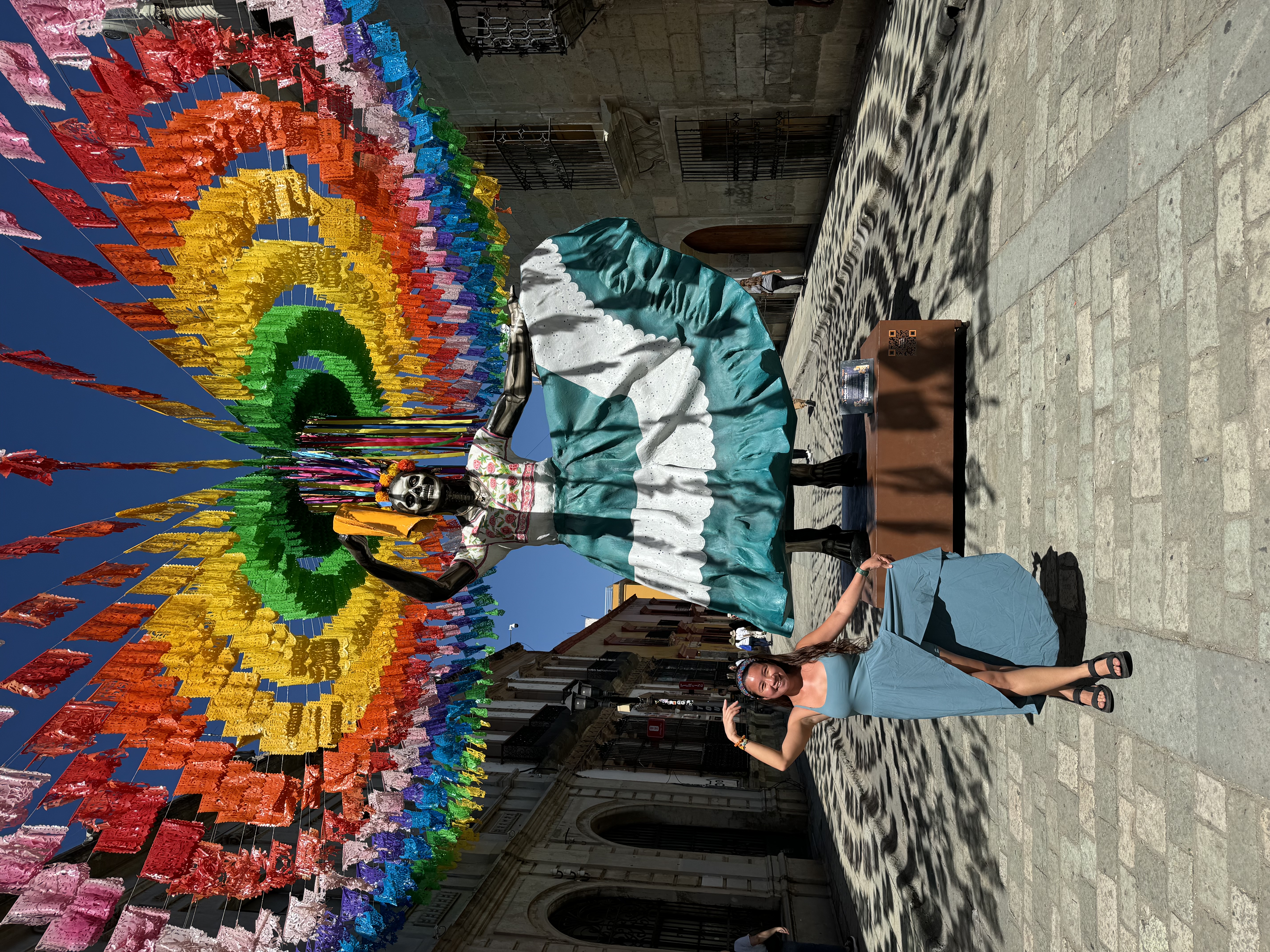
Hi, I'm Erika.
By day I'm a Clinical Specialist, based in the UK. Outside of work, my husband and I travel as much as we possibly can. We took a sabbatical together and spent months moving through Africa and Asia. We've explored parts of the Americas too. And whenever a long weekend appears, we're usually booking a flight to somewhere in Europe.
I'm the kind of traveller who wants to actually understand a place. I love history, architecture and getting under the skin of a city. I'll always seek out the local food, try whatever's on the menu I don't recognise, and wander into neighbourhoods that aren't in the guidebook. But I also think the famous stuff is famous for a reason, and I'll always go and see it.
My ritual in any new city is the same: on the first day, I do a walking tour. It maps the place in my head. It gives me context. After that, I can wander freely and actually know what I'm looking at.
Why Stepcast exists
The timing never
worked.
It happened more times than I can count. We'd arrive in a city, look for a walking tour and find the timings just didn't work. Most tours start at 10, and if your flight gets in at noon or you want a slow morning, you've missed it. Or the only English-language option of the day was already gone. We just wanted to start when we were ready, not when the schedule said so.
So I started building what I actually wanted: a tour I could start whenever I felt like it, stop wherever I wanted, and revisit any stop if I missed something. No booking, no group, no rushing. Just the city and a really good audio guide in my pocket.
That's Stepcast. Every tour is a city I've been to myself, researched properly, and built because I genuinely wanted it to exist.
How the tours are made
Researched properly.
Every stop.
Each Stepcast tour starts with a visit. I walk the route, spend time at each stop, and figure out what's actually interesting about it, not just what's on the information board outside.
From there, each stop is researched in depth: the history, the architecture, the context, the contemporary city. As someone with a background in evidence-based research, I care about getting things right. I cross-reference sources, dig into local history Then I write it all up in a way that's genuinely worth listening to.
01
Visit first
Every city is visited in person before a tour is written. No guesswork, no secondhand accounts.
02
Research in depth
History, architecture, culture and the contemporary city. Each stop is researched and fact-checked properly.
03
Written to be heard
The audio script is written to be listened to on a street corner, not read in an armchair. Clear, interesting and to the point.
04
No app needed
The whole thing runs in your phone browser. Unlock once, access anywhere, no download required.