London's surrounded by incredible historic cities, royal castles, and countryside that most visitors never see. But here's the thing: you don't need to join a rushed group tour that crams three destinations into one exhausting day. The best way to explore beyond London is independently, at your own pace.
Why Skip the Group
Day Tours
Those coach tours that promise "Windsor, Bath, and Stonehenge in one day" sound tempting, but here's what actually happens: you spend more time on the bus than at the destinations, get 45 minutes at each place, and follow a guide with a clipboard through crowds of other tour groups.
Independent day trips give you something group tours can't: time to actually experience a place. Wander the cobbled streets without rushing. Duck into a tea shop. Explore at your own curiosity level. Return to London when you're ready, not when the bus schedule dictates.
Group tours: 2 hours travel, 45 minutes exploring, lots of waiting. Independent trips: Take the direct train, spend 4-6 hours exploring, leave when you want. Much better value for your time.
Best Day Trips from London
by Train
Britain's train network makes independent day trips incredibly easy. Most destinations are under 2 hours from London, with regular direct services throughout the day. Here are the best options for first-time visitors and seasoned London explorers alike.
Bath: Georgian Architecture & Roman History
Travel time: 1h 20m direct from London Paddington
Best for: Architecture lovers, history enthusiasts, Jane Austen fans
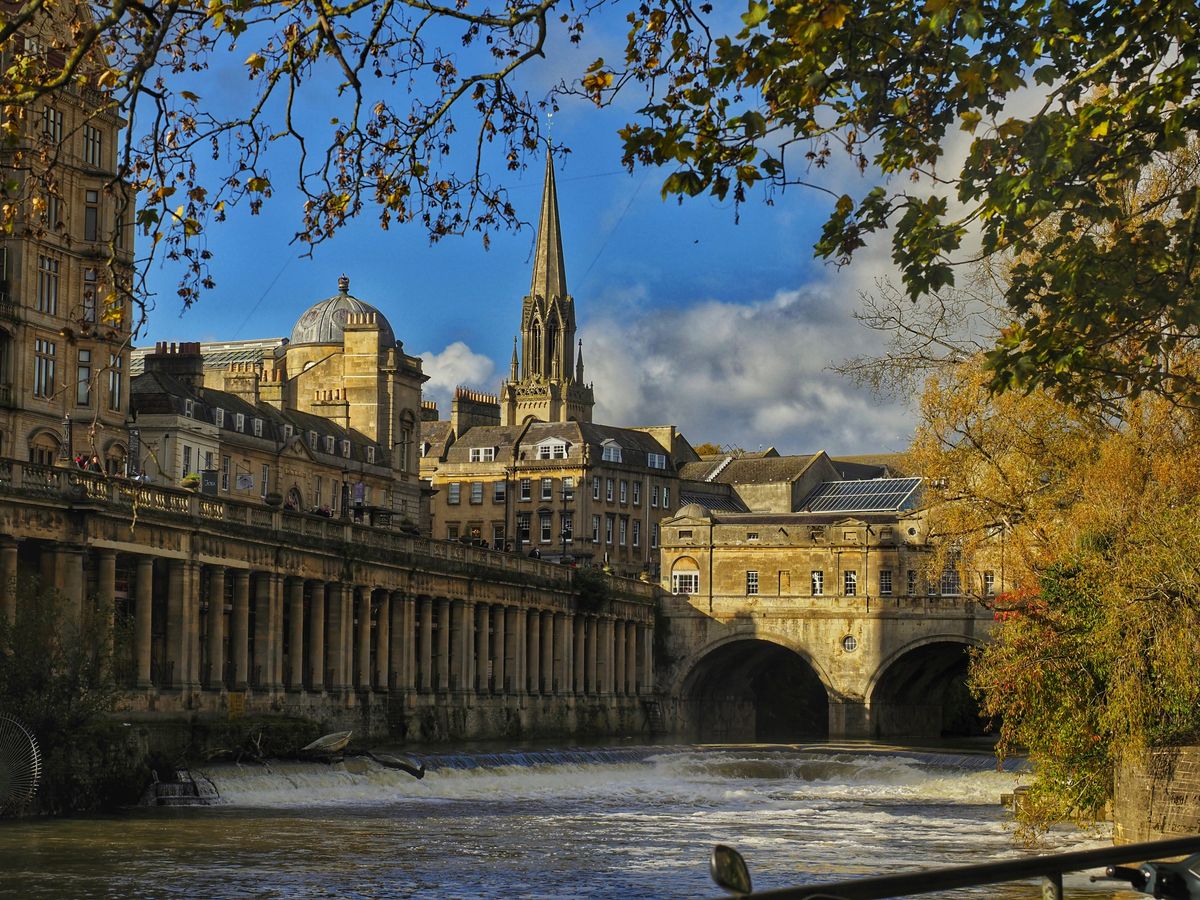
Bath is the perfect day trip for anyone who wants to step back into Georgian England. The entire city center is a UNESCO World Heritage site, with honey-colored limestone buildings that have barely changed since Jane Austen lived here in the early 1800s.
Must-see attractions:
Roman Baths & Pump Room: The original thermal springs with 2,000-year-old Roman engineering still visible. The Great Bath, Sacred Spring, and Roman Temple. Audio guide included (opens 9am daily, £25 adults).
Bath Abbey: Perpendicular Gothic masterpiece with the largest collection of wall monuments in Britain. Climb the tower for city views (£6 tower tour, abbey entry free).
Royal Crescent: The most famous Georgian terrace in Britain. Perfect semicircle of 30 houses built 1767-1775. Visit No. 1 Royal Crescent museum to see inside a Georgian townhouse (£6 adults).
The Circus: Unique circular Georgian terrace designed by John Wood the Elder. Walk around the complete circle to appreciate the architecture.
Pulteney Bridge: One of only four bridges in the world with shops on both sides. Built 1773, inspired by Florence's Ponte Vecchio.
Jane Austen Centre: Learn about Bath's most famous resident. Interactive exhibits about Regency life (£12 adults, Gay Street).
Start with the Roman Baths when they open at 9am to avoid crowds. The audio guide is excellent, but for the full story of how Bath became Britain's most elegant city, a self-guided walking tour reveals the connections between buildings most visitors miss.
Windsor: Royal Castle & Thames-side Town
Travel time: 50 minutes direct from London Paddington
Best for: Royal history fans, castle enthusiasts
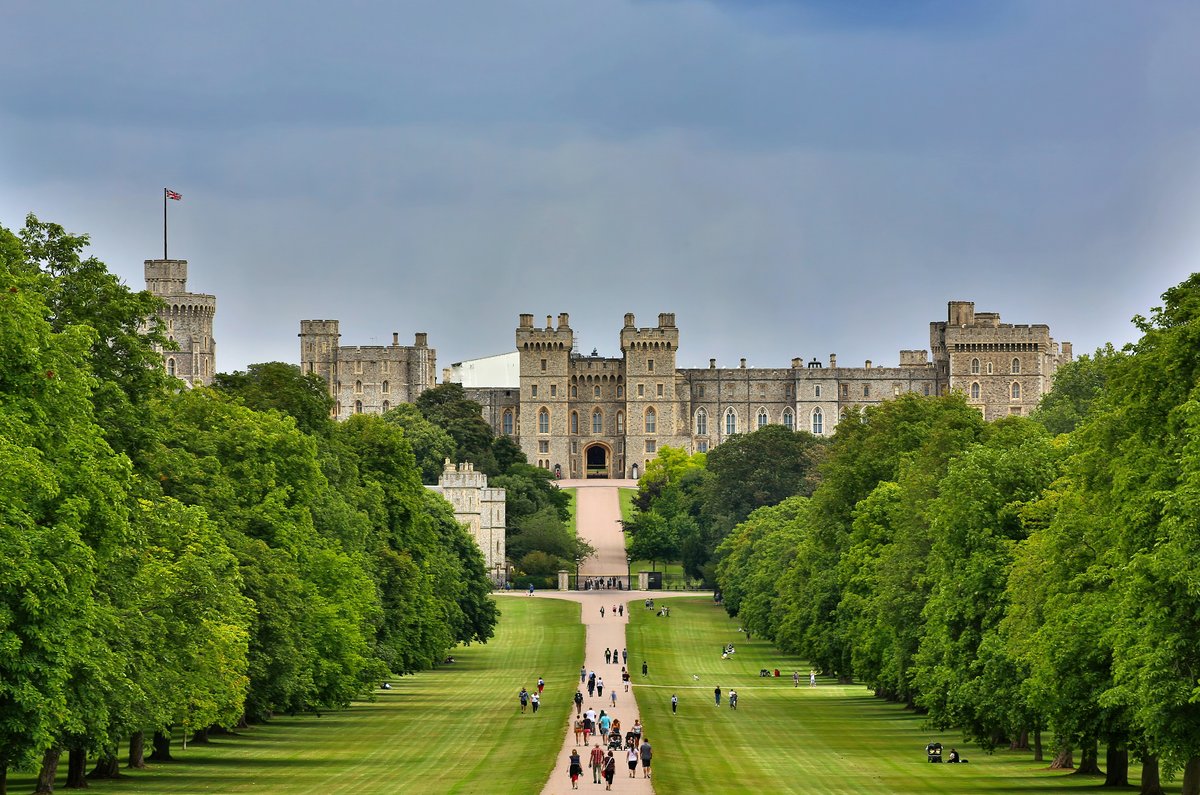
Windsor Castle is the world's oldest occupied castle and the King's weekend residence. When the Royal Standard flies, he's home. The State Apartments contain works by Rembrandt, Rubens, and Van Dyck, while St George's Chapel is where Prince Harry married Meghan Markle.
Inside Windsor Castle:
State Apartments: Grand reception rooms with masterpieces by Van Dyck, Rembrandt, Rubens, and Canaletto. The Waterloo Chamber celebrates Wellington's victory.
St George's Chapel: Perpendicular Gothic chapel where 10 monarchs are buried. Recent royal weddings: Harry & Meghan (2018), Princess Eugenie & Jack Brooksbank (2018).
Queen Mary's Dolls' House: The world's most famous dolls' house, complete with working electricity, running water, and a library of original tiny books by famous authors.
Semi-State Rooms: When open (Oct-Mar), these show how the Royal Family lives privately. More intimate than the State Apartments.
Beyond the Castle:
Windsor Great Park: 5,000 acres stretching to Virginia Water. The Long Walk is a 2.65-mile tree-lined avenue from the castle.
Eton College: 10-minute walk across the Thames bridge. Britain's most famous school (Harry, William, and 20 Prime Ministers). Chapel and schoolyard tours available.
Castle entry: £30 adults (includes audio guide), opens 10am daily. Book online to skip queues.
Oxford: City of Dreaming Spires
Travel time: 1 hour direct from London Paddington
Best for: University history, architecture, Harry Potter fans
Oxford isn't just a university - it's 38 independent colleges spread throughout a medieval city. Each college has its own history, architecture, and stories. Some date back to the 13th century and look exactly like the Hogwarts sets (because they were used as filming locations).
Must-visit colleges & attractions:
Christ Church College: Founded 1546, inspiration for Hogwarts Great Hall. The dining hall, Tom Quad, and cathedral. Lewis Carroll (Alice in Wonderland) taught here (£15 adults, opens 10am).
Bodleian Library: Medieval library with Duke Humfrey's reading room (1488). Harry Potter filming location. Guided tours show the stunning interior (£6-14 depending on tour).
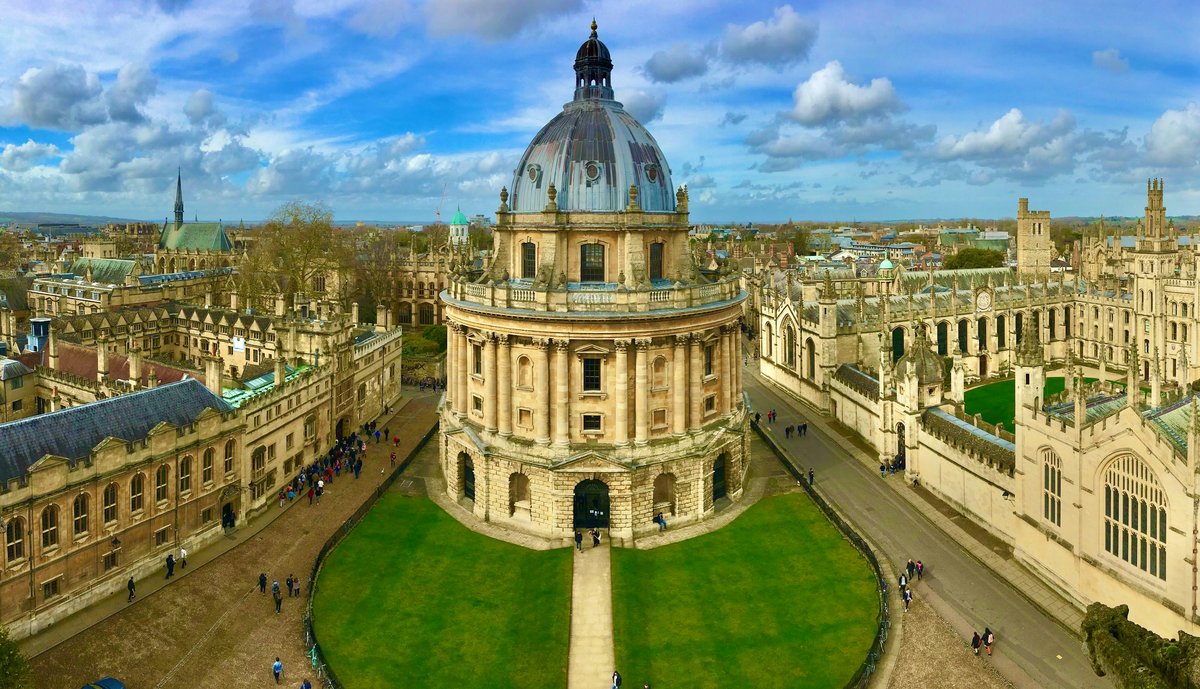
Radcliffe Camera: Iconic round library (1749), symbol of Oxford. You can't go inside but walk around the exterior in Radcliffe Square.
Carfax Tower: 13th-century tower, Oxford's official center. Climb 99 steps for panoramic city views (£3 adults, opens 10am).
Bridge of Sighs (Hertford Bridge): 1914 bridge connecting Hertford College buildings. Most photographed spot in Oxford.
Covered Market: Victorian market (1774) with independent shops, cafes, and traditional butchers. Perfect for lunch.
University Church of St Mary: Climb the 14th-century tower for the best views of the Radcliffe Camera and college spires (£5 tower climb).
Walking route: Carfax Tower → Christ Church → Radcliffe Camera → Bodleian Library → Bridge of Sighs → Covered Market (2-3 hours).
College opening times vary daily and some charge entry. Check ahead or follow a route that shows you the highlights without needing to go inside - the exteriors and courtyards tell most of the story anyway.
Canterbury: Medieval Cathedral City
Travel time: 1h 30m from London St Pancras
Best for: Medieval history, pilgrimage routes, literary connections
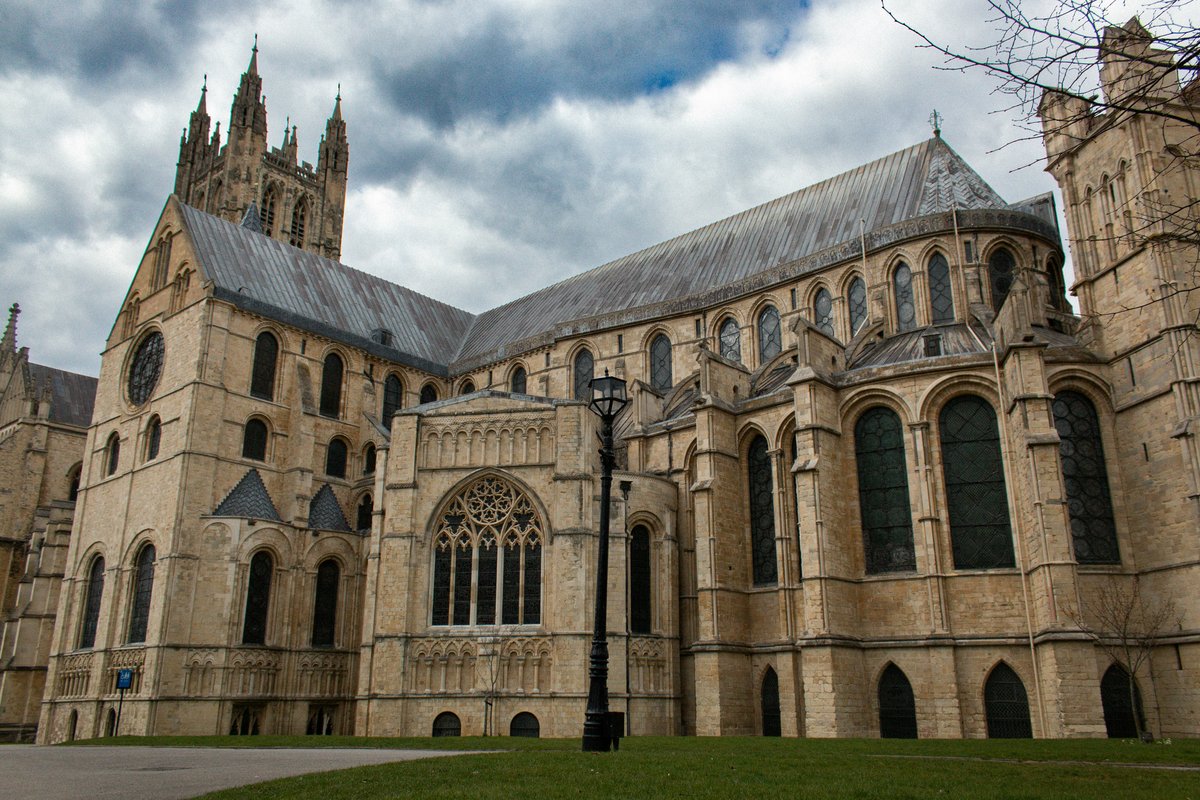
Canterbury Cathedral is one of the most important religious sites in England - the mother church of the Anglican faith and the site where Thomas Becket was murdered in 1170. The cathedral is stunning, but Canterbury's real charm is wandering the medieval streets that pilgrims have walked for centuries.
Canterbury Cathedral highlights:
Murder site: The exact spot in the northwest transept where Archbishop Thomas Becket was killed by four knights in 1170. Now marked by a simple stone altar.
Trinity Chapel: Where Becket's shrine stood until Henry VIII destroyed it. Beautiful 12th-century stained glass windows tell the miracle stories.
Crypt: Largest Norman crypt in England, with 12th-century wall paintings and carved capitals.
Bell Harry Tower: 15th-century central tower, 235 feet high. The cathedral's defining feature visible across the city.
Beyond the Cathedral:
St Augustine's Abbey: Ruins of the monastery founded in 597 AD. Where Christianity first took root in England (English Heritage, £7 adults).
Canterbury Tales Museum: Interactive experience of Chaucer's famous stories. Medieval pilgrimage brought to life (£10 adults, St Margaret's Street).
Westgate Towers: Medieval gatehouse (1380), largest surviving city gate in England. Small museum inside (£4 adults).
King's School: Where Christopher Marlowe was educated. The school uses many cathedral buildings - spot the pupils in their distinctive uniforms.
Cathedral entry: £17 adults (includes audio guide), opens 9am Mon-Sat, 12:30pm Sun. Free on Sundays for services.
Cambridge: Colleges & River Punting
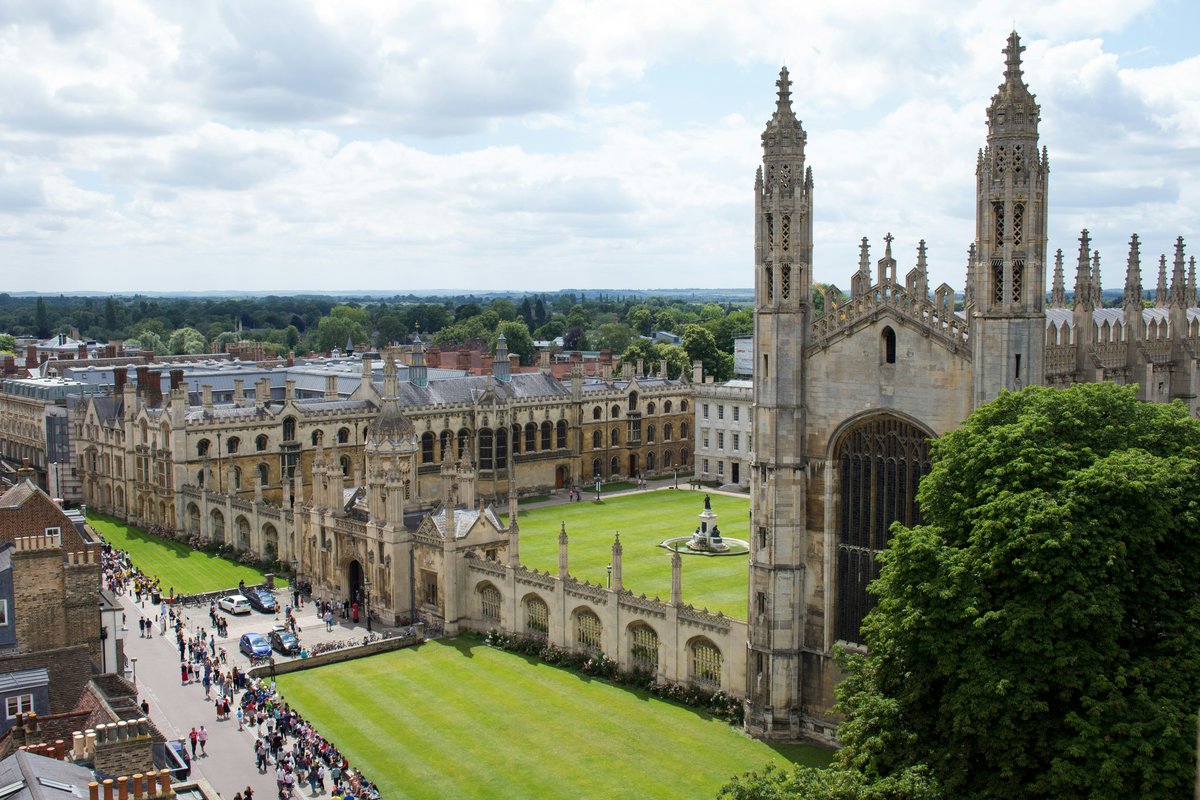
Travel time: 1 hour from London King's Cross
Best for: University architecture, riverside walks, peaceful exploring
Cambridge feels more relaxed than Oxford, with the River Cam winding through the college grounds. King's College Chapel is one of the finest examples of late Gothic architecture in Europe, while the Mathematical Bridge and Bridge of Sighs connect the colleges over the river.
Essential Cambridge experiences:
King's College Chapel: Perpendicular Gothic masterpiece (1446-1515) with the world's largest fan vault ceiling. Free evensong services weekdays 5:30pm, Sundays 3:30pm (£12 adults, opens 9:30am).
Trinity College: Largest Cambridge college, where Newton, Byron, and Stephen Hawking studied. Great Court is the largest enclosed courtyard in Europe (£5 adults when open).
Queens' College: Home to the Mathematical Bridge (1749). Despite legends, it was built with bolts - no one ever built it without them (£5 adults).
St John's College: The Bridge of Sighs (1831) and beautiful Second Court. One of the wealthiest colleges (£5 adults when open).
The Backs: Gardens behind the colleges along the River Cam. Best views of King's College Chapel and other college architecture. Free to walk.
Punting: Traditional flat-bottomed boats. Punt yourself (£20/hour) or take a chauffeur tour (£20/person, 45 minutes). Punting stations at Silver Street Bridge and Magdalene Bridge.
Market Square: Daily market since medieval times. Independent shops, cafes, and street food. Try a Chelsea bun from Fitzbillies bakery.
Round Church: One of only four round Norman churches in England (1130). Small but architecturally significant (£3 adults).
Brighton: Seaside Regency & Victorian Pier
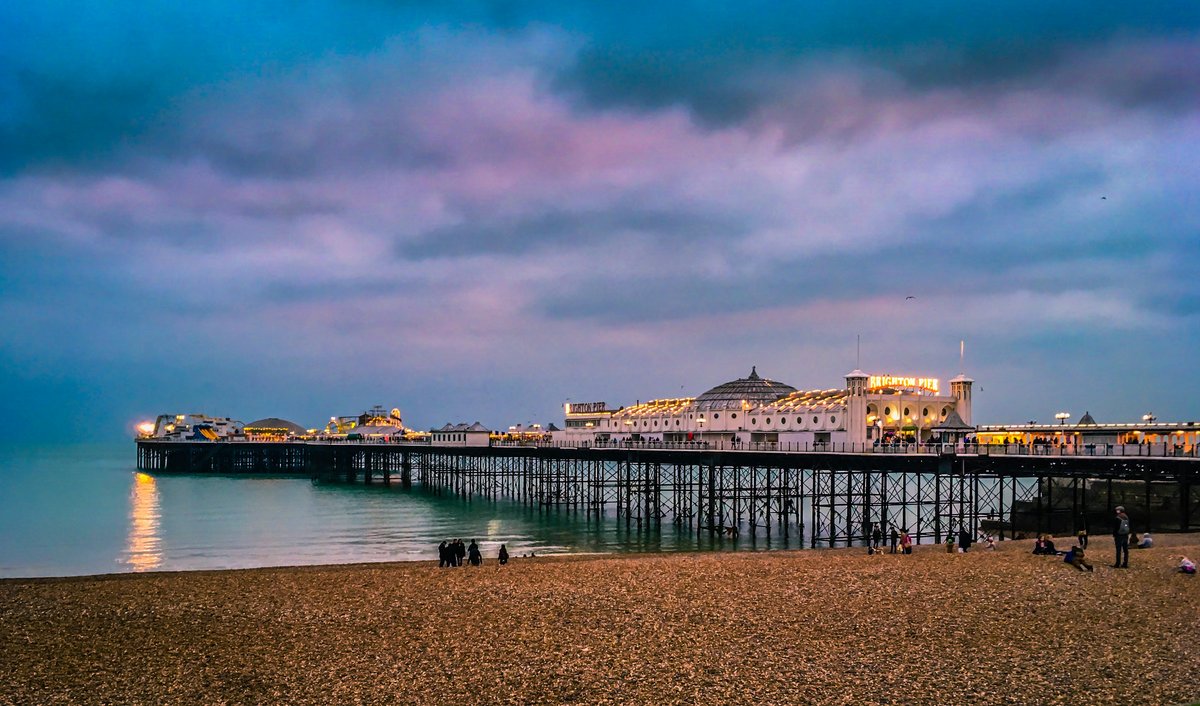
Travel time: 1 hour from London Victoria or London Bridge
Best for: Seaside atmosphere, Royal Pavilion, independent shops
Brighton became fashionable when George IV built the Royal Pavilion - an extraordinary Indo-Islamic palace on the English coast. The contrast between the oriental domes and the Regency terraces creates one of Britain's most distinctive cityscapes.
Brighton's must-see attractions:
Royal Pavilion: George IV's pleasure palace (1815-1823) with Indian exterior and Chinese-inspired interiors. Opulent state rooms and music room (£16 adults, opens 10am daily).
Brighton Palace Pier: Victorian pleasure pier (1899) with amusement arcades, rides, and traditional fish and chips. The iconic image of Brighton (free entry, pay per ride).
The Lanes: Medieval street pattern now filled with independent shops, vintage stores, jewelry boutiques, and cafes. Perfect for browsing and people-watching.
North Laine: Bohemian quarter north of The Lanes. Street art, vintage shops, record stores, and alternative fashion. More edgy than The Lanes.
Brighton Beach: Pebble beach stretching east and west of the pier. Beach huts, deckchair rentals, and sea swimming. The i360 observation tower offers 360° views (£16 adults).
Brighton Museum & Art Gallery: Art Nouveau and Art Deco collections, plus Salvador Dali's Mae West Lips Sofa. Fashion and local history (free entry, New Road).
Pavilion Gardens: Restored Regency gardens surrounding the Royal Pavilion. Free to walk through, perfect for picnics.
West Pier ruins: Haunting remains of the burnt Victorian pier (2003). Atmospheric for photos, especially at sunset. View from the beach - don't walk on it.
Food scene: Legendary fish and chips at Harry Ramsden's or Regency Restaurant. The Lanes has excellent independent restaurants and traditional pubs.
How to Plan Your
Independent Day Trip
Timing: Most destinations work best as 6-8 hour trips. Leave London mid-morning, explore all day, return early evening. This gives you proper time to see things without rushing.
Tickets: Book train tickets in advance for cheaper fares, or buy on the day for flexibility. Off-peak returns are usually best value if you're not traveling during rush hours.
What to Pack: Comfortable walking shoes, weather-appropriate clothing, portable phone charger. Most historic city centers are compact and walkable.
Many attractions offer combined tickets if you're visiting multiple sites. Bath has Roman Baths + Fashion Museum combos. Oxford colleges often have joint tickets. Check before you start exploring.
Making the Most of
Your Time
The biggest advantage of independent day trips is being able to focus on what actually interests you. Love architecture? Spend three hours exploring Bath's Georgian crescents. Fascinated by medieval history? Canterbury Cathedral and its surroundings can fill an entire day.
Unlike group tours that allocate fixed time to each stop, you can adjust your day based on what you discover. Found an amazing museum? Stay longer. Weather turned? Duck into a cathedral or covered market.
This flexibility is especially valuable in historic cities where the real treasures are often the things you stumble across: a hidden college courtyard, a Roman wall embedded in a shop front, a Tudor building squeezed between Georgian terraces.
Beyond the Tourist
Trail
Group tours stick to the obvious highlights because they have to keep moving. Independent exploration lets you discover the layers beneath the surface.
In Bath, you can trace how Roman engineering influenced Georgian city planning. In Oxford, you can understand why certain colleges were built where they are and how the medieval street layout still shapes the modern city. In Canterbury, you can follow the actual pilgrimage route through streets that haven't changed since Chaucer's time.
These connections between past and present, the stories behind the stones, the reasons why things are where they are - this is what transforms sightseeing into understanding.
Start Planning Your
Day Trip
Choose your destination based on your interests, book your train tickets, and prepare to explore at your own pace. No groups, no rushing, no waiting for others. Just you and centuries of British history waiting to be discovered.
Explore Bath → Discover Oxford →